-
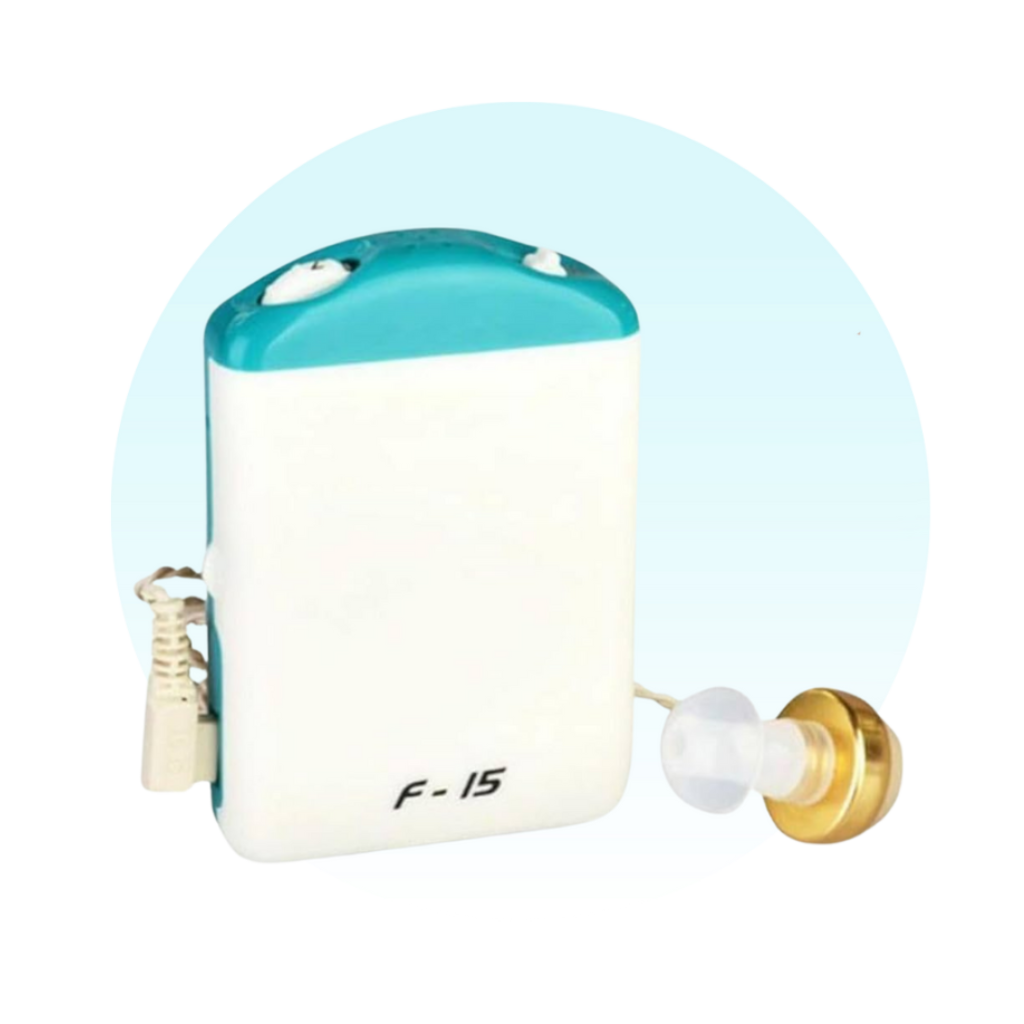
Worn in pocket at chest level.
-
It consists of the body of the hearing aid containing the microphone, amplifier and controls.
-
A cord transmits the electrical output to a receiver, which converts this signal into sound.
-
The receiver is attached to a mould, which holds it in place.
-
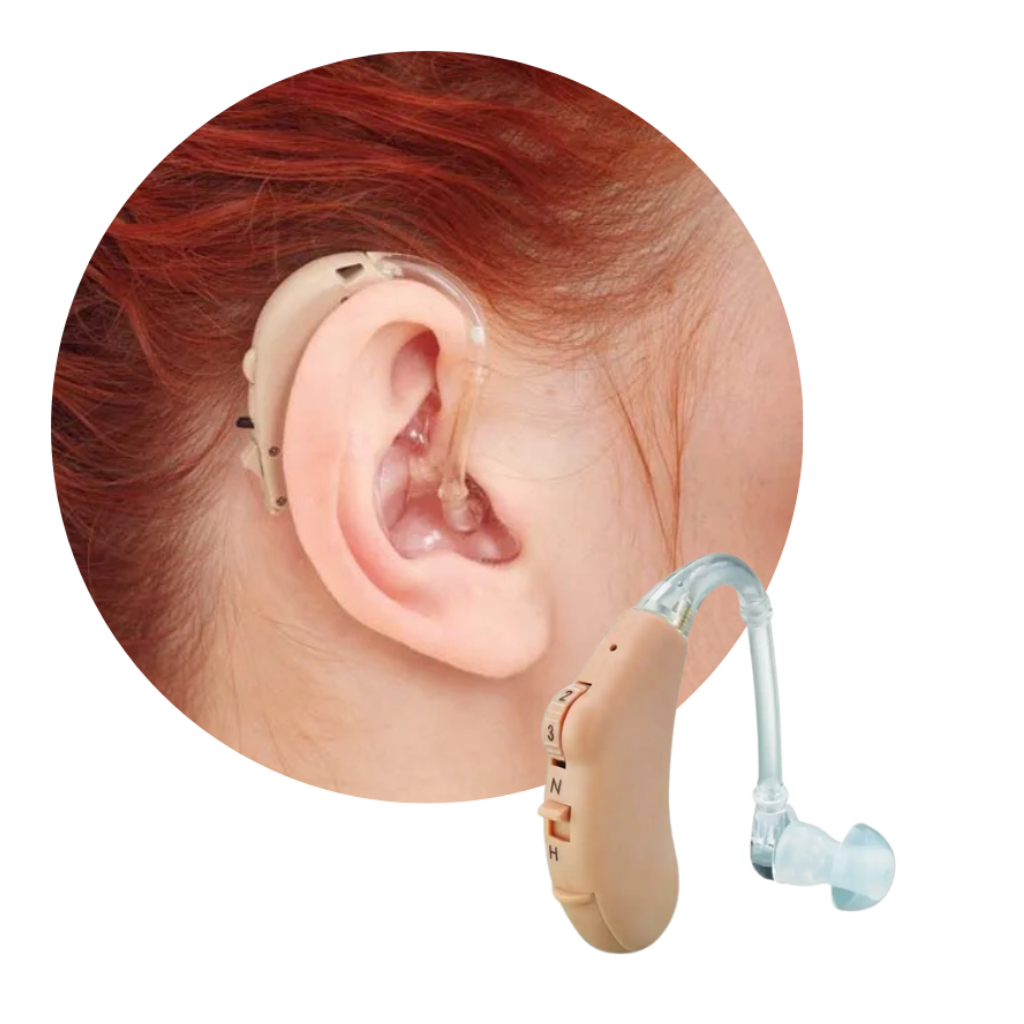
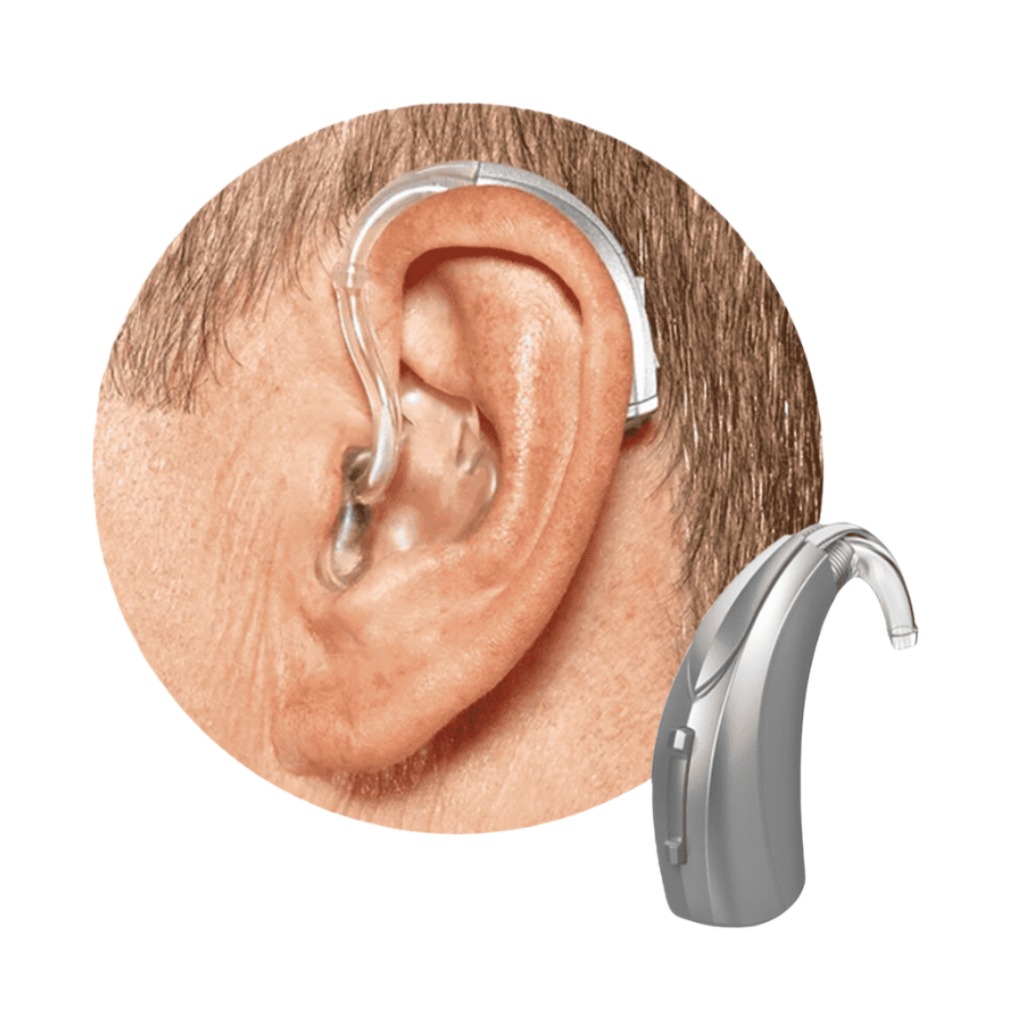
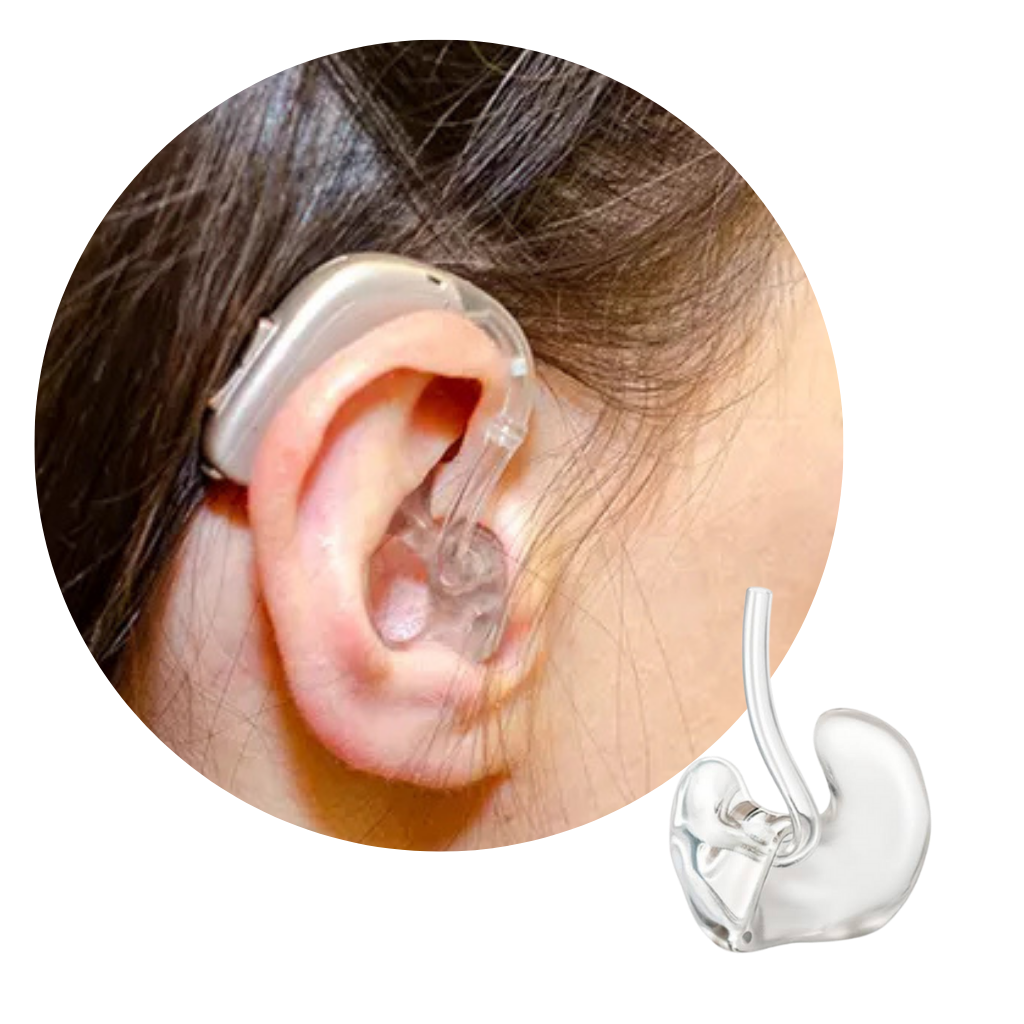
This device fits neatly behind your ear.
-
The body of the hearing aid attaches to a custom ear mould or thin tubing.
-
This is appropriate for people with a wide range of hearing loss, from mild to profound.
-
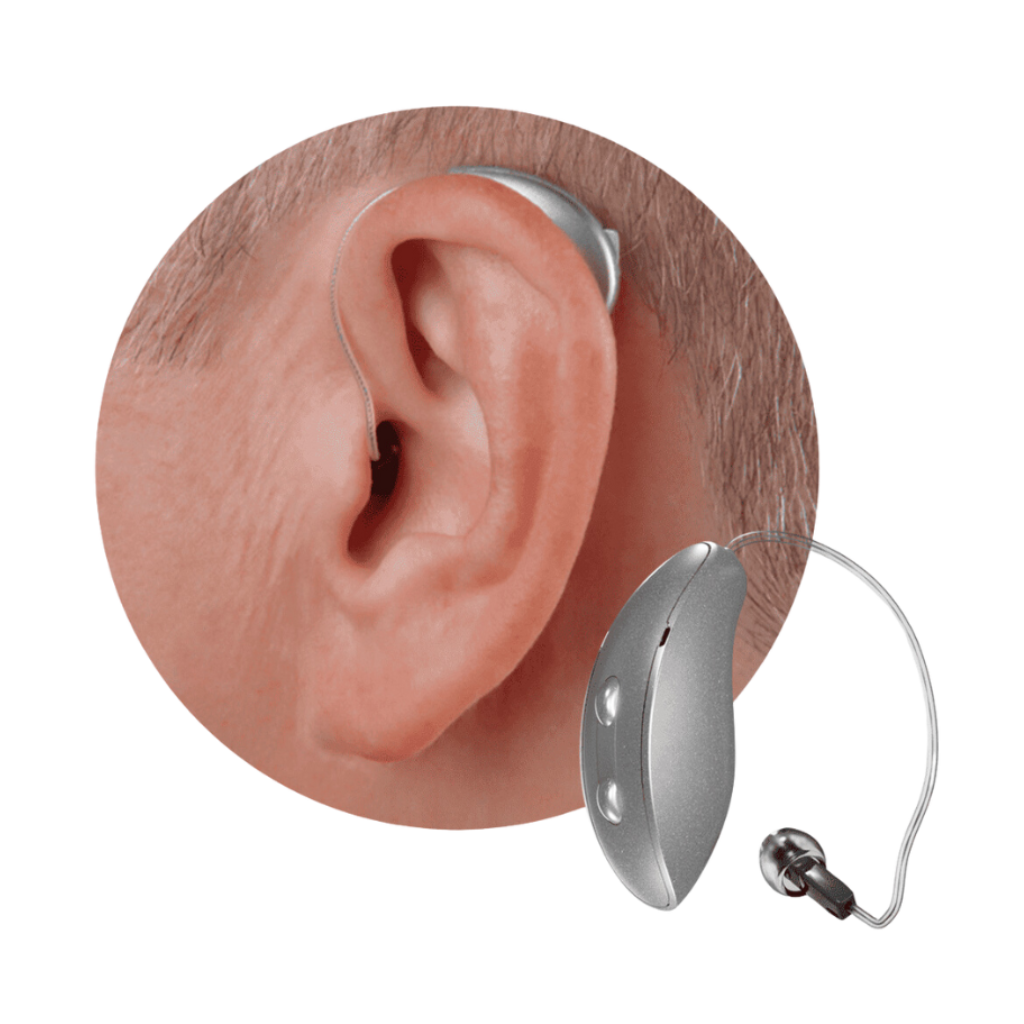
RICs are smaller than BTE & easier to manage.
-
More of its parts are situated behind the ear. A thin receiver wire extends from the body of the hearing aid over your outer ear and into your ear canal.
-
A soft tip sits just inside of your ear canal without sealing it.
-
For many people, this offers a more natural sound. This is appropriate for mild to severe hearing loss.
-
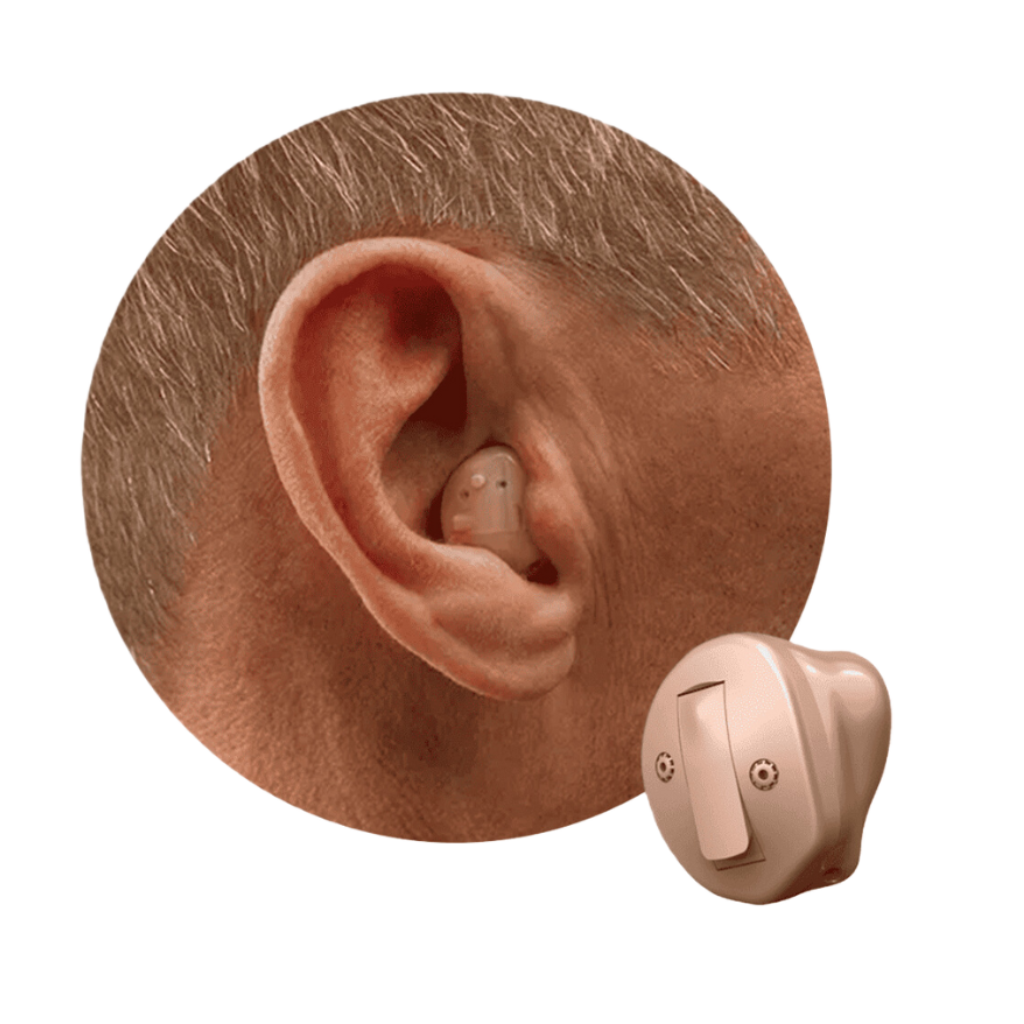
ITCs are customised & it's fit completely in the outer ear.
-
These are best for people who may have difficult to handling small items.
-
This is recommended for people with moderate to severe hearing loss.
-
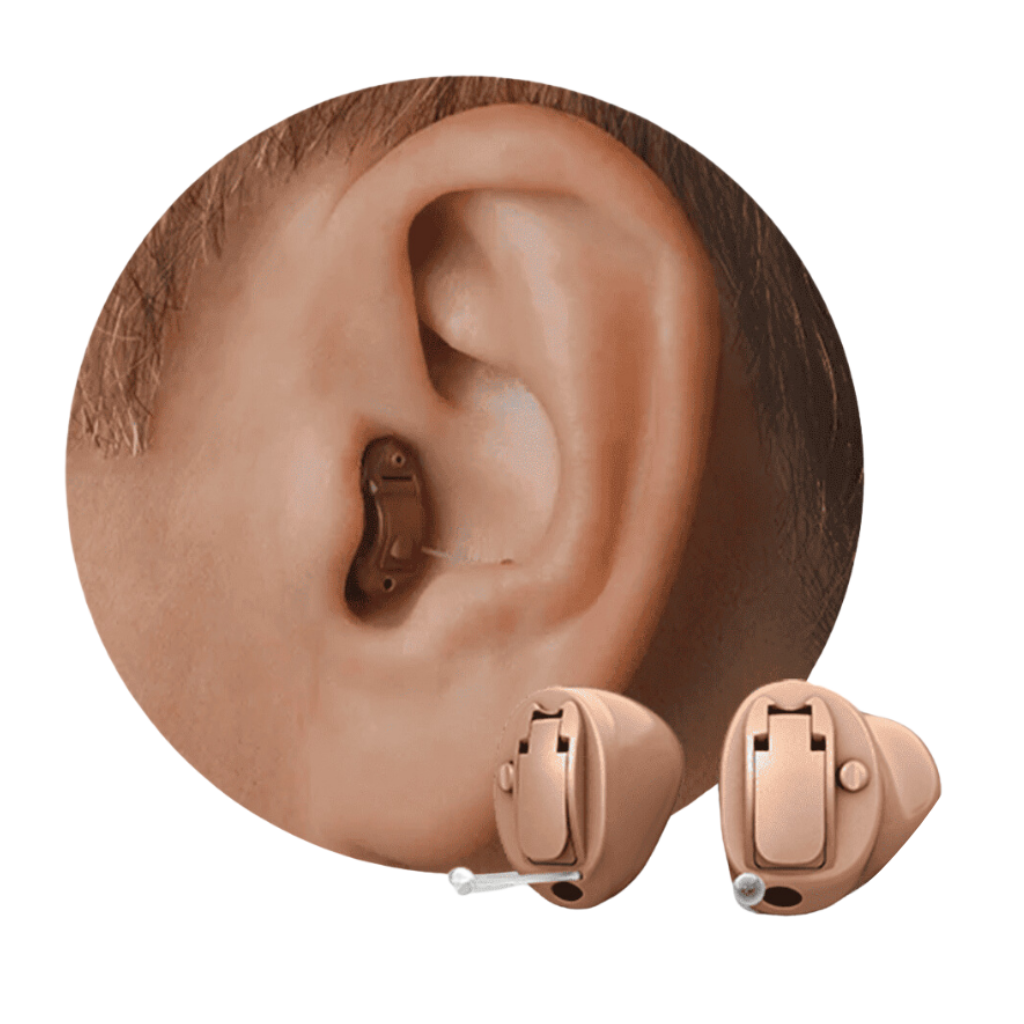
CIC devices that fit inside of the ear canal. Only a small portion of the face is visible.
-
CIC hearing aids are appealing to users who wish to discretely wear hearing aids.
-
CIC hearing aids do not need a telecoil to act as a receiver.
-
All the components contained in a custom fit.
-
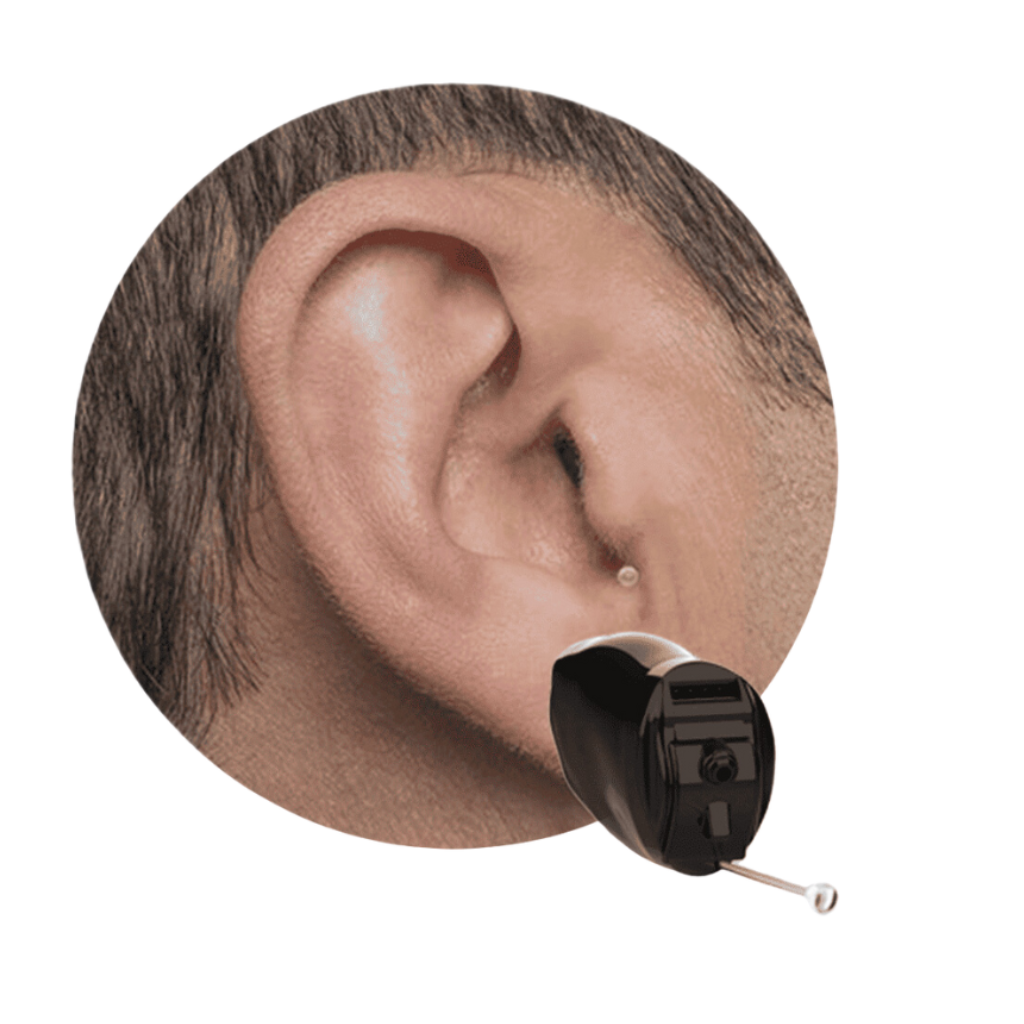
IIC hearing aids are invisible in canal devices.
-
These are the smallest on the market and invisible and also offer natural sounds that are amplified.
-
IIC hearing aids are best suited for mild hearing loss.
-
Yet, the IIC hearing aids are smaller and more discreet.
-
They are invisible to anyone who would look down your ear.
-
CROS stands for “Contralateral Routing of Signals.” BiCROS stands for “Bilateral Contralateral Routing of Signals.”
-
CROS for sound signal picked up by the hearing aid on your bad ear are directly transmitted to the hearing aid worn by the good ear.
-
An earmould is a custom-made piece of soft or hard plastic that fits the ear exactly and is used with Over the Ear hearing aids.
-
It's an important part of the hearing aid because it holds the tubing in the right place, to direct sound down the ear canal.
Other Accessories
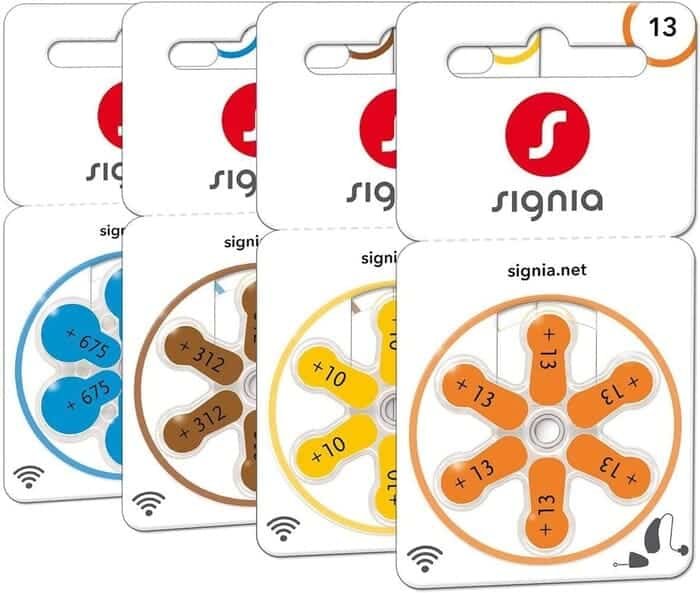
Batteries
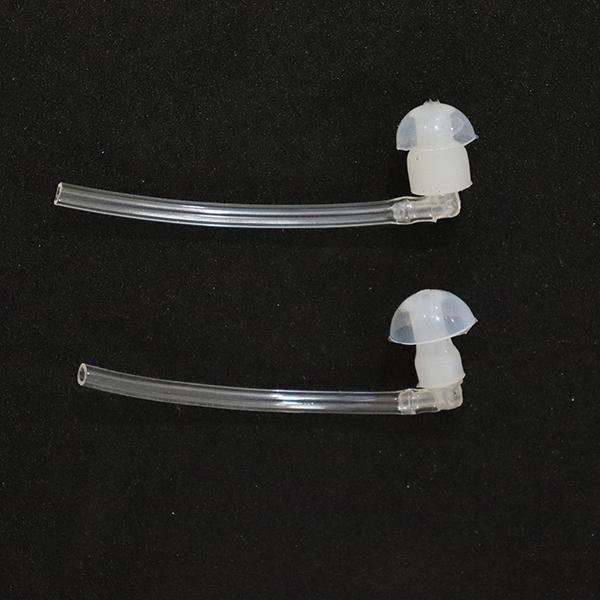
Tubes
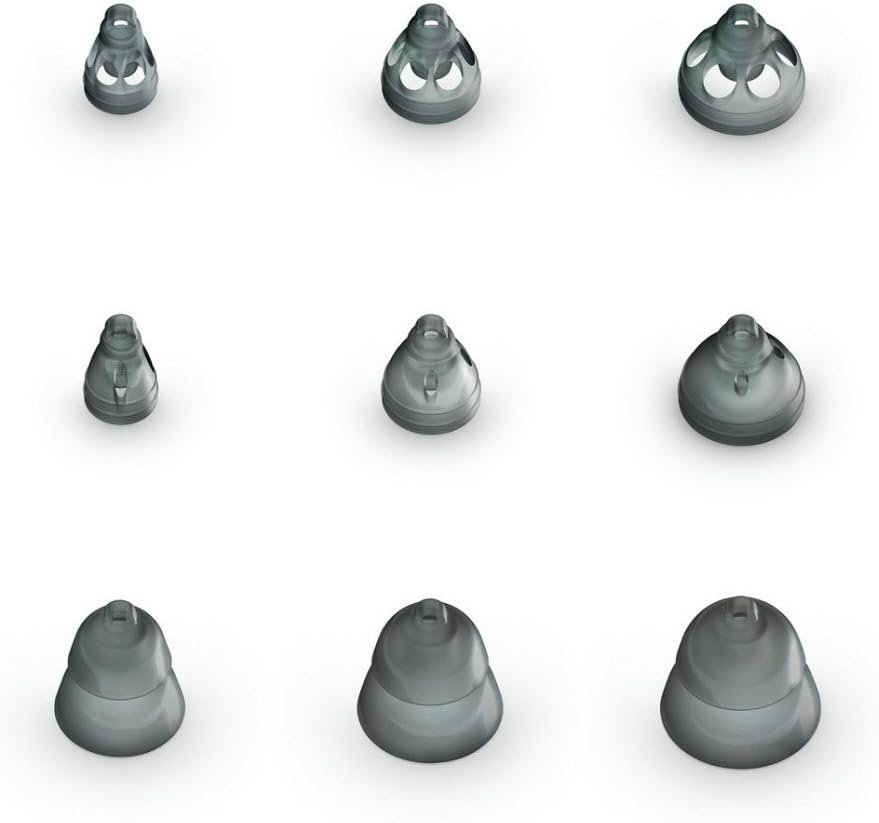
Domes
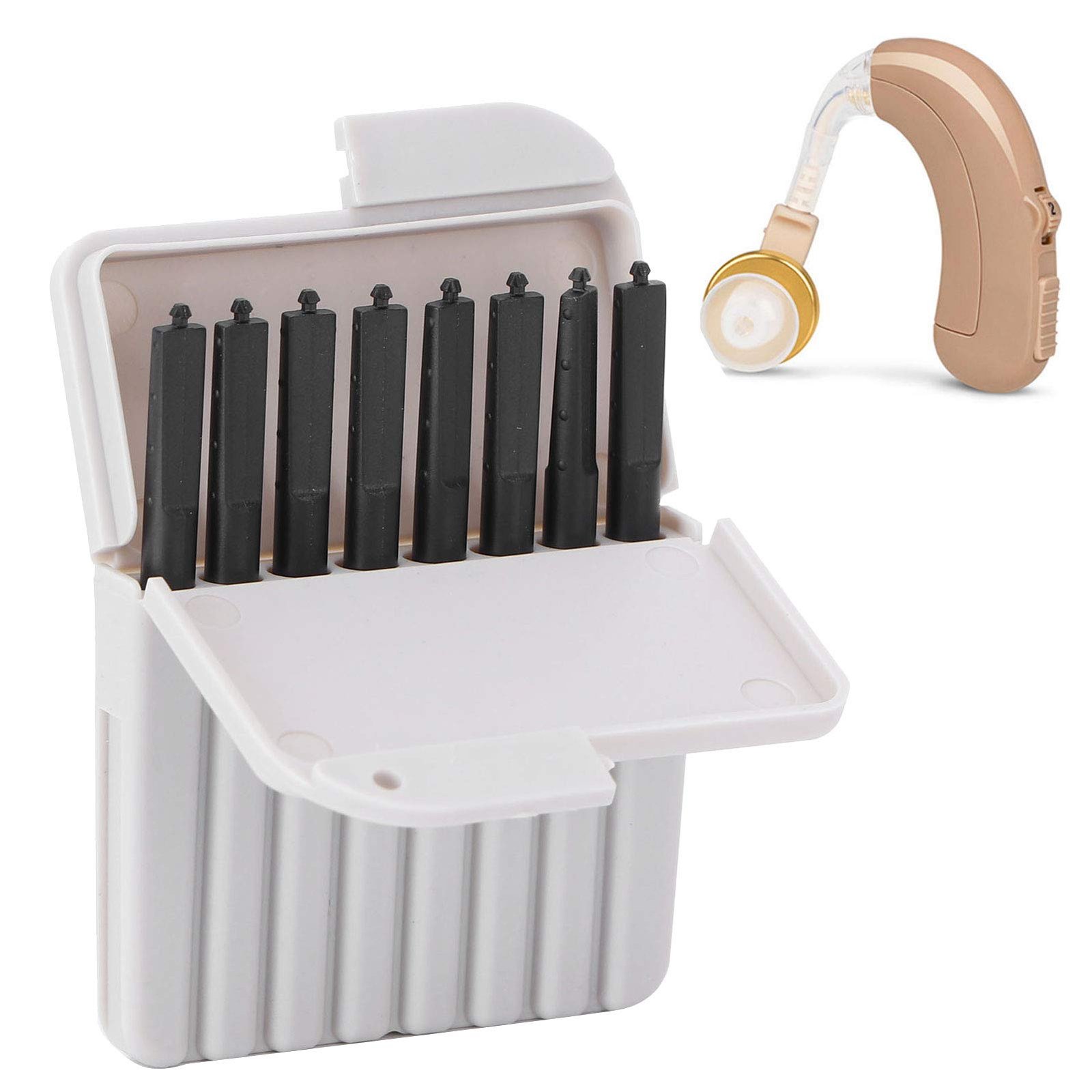
Wax Guards
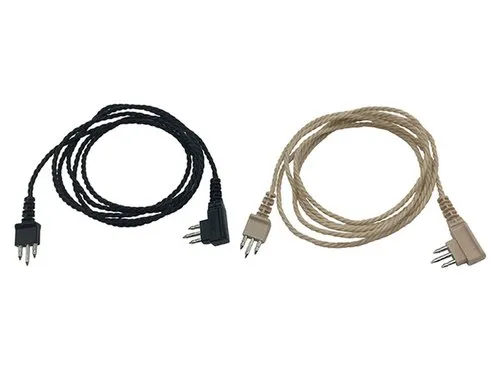
Cords (S/V),(2/3 PIN)
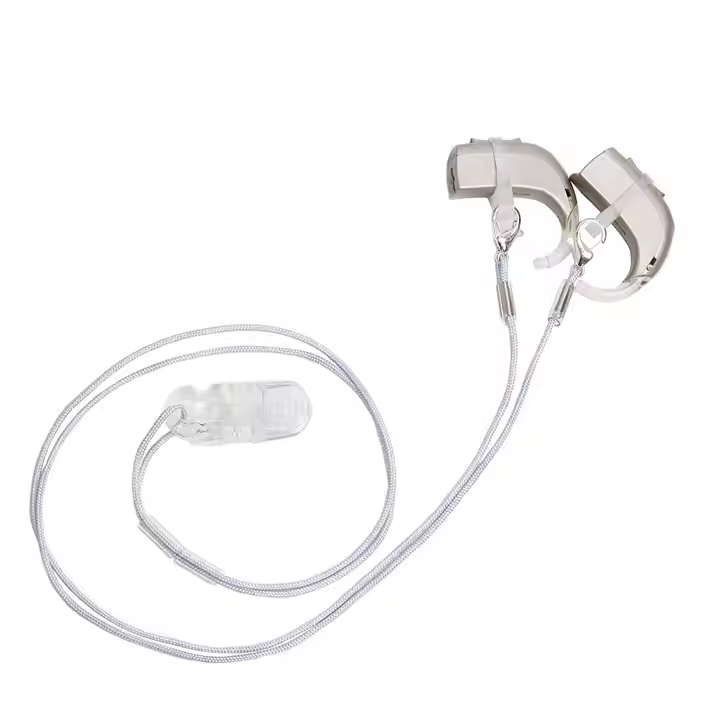
Huggies
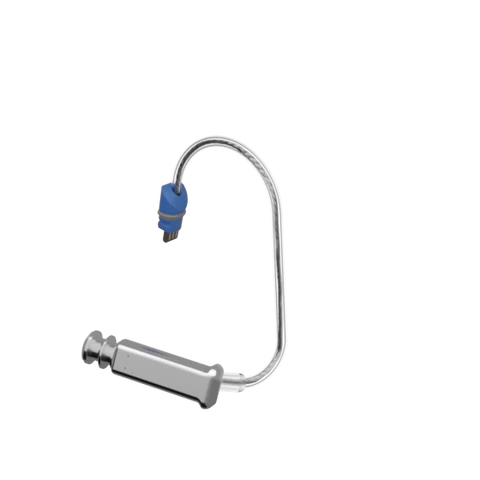
Recivers

Drying Box
Need Help?