-
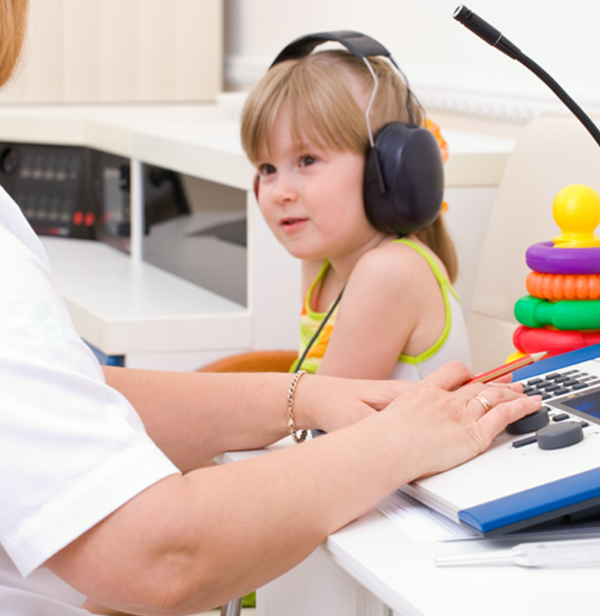
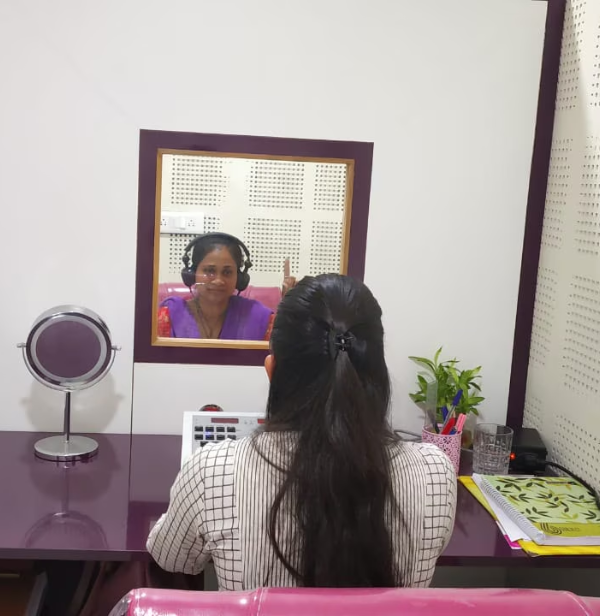
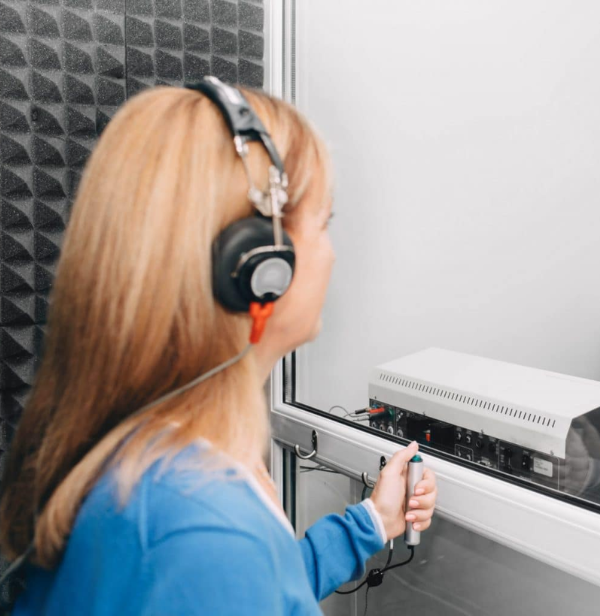
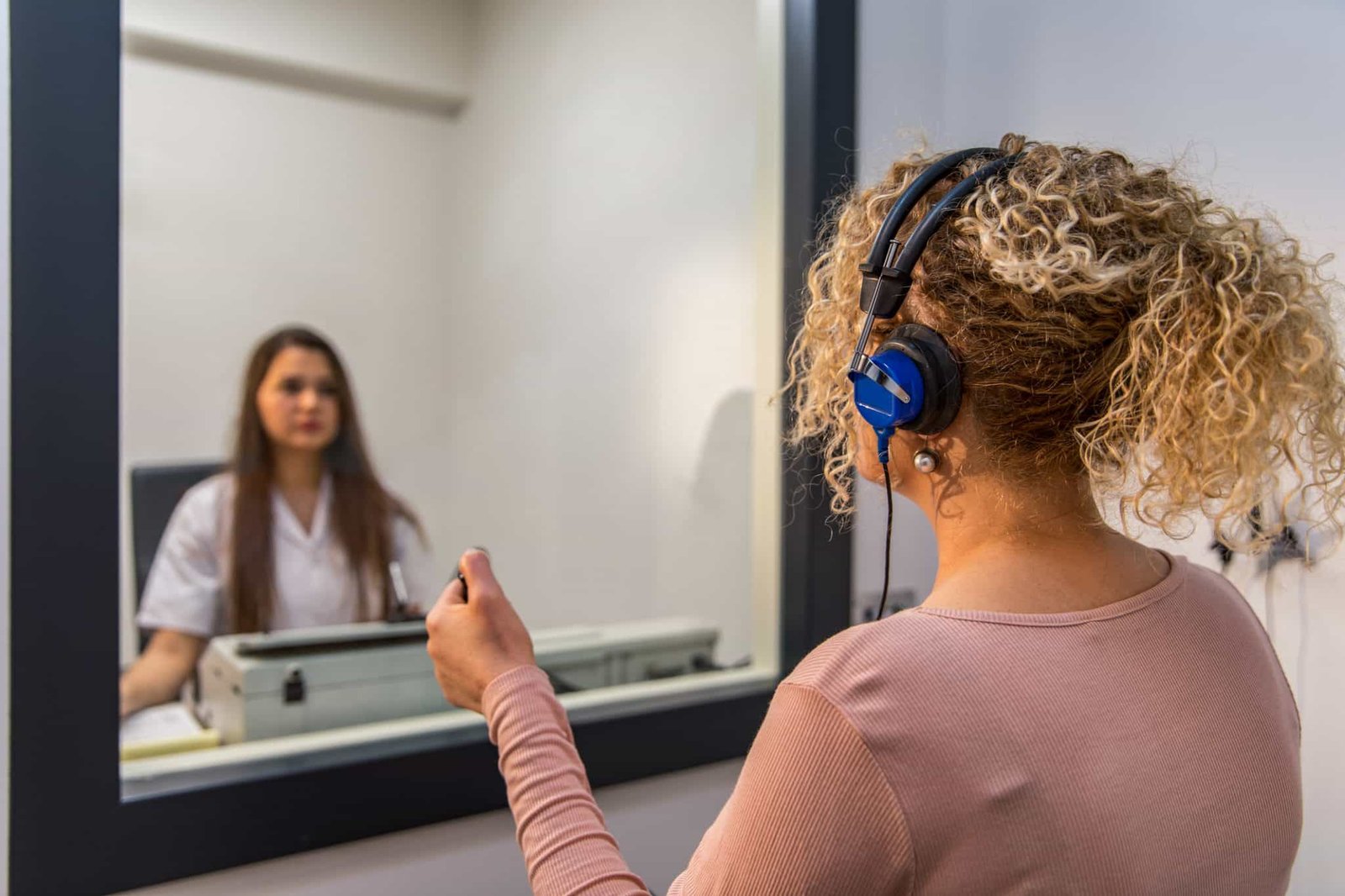
This test is based on the measurement of hearing thresholds for a range of pure tones presented through earphones.
-
This is the initial part of hearing evaluations and widely used to describe the degree of hearing loss.
-
The sounds are presented at different volumes and pitches to gauge the ability to hear across a range of frequencies.
-
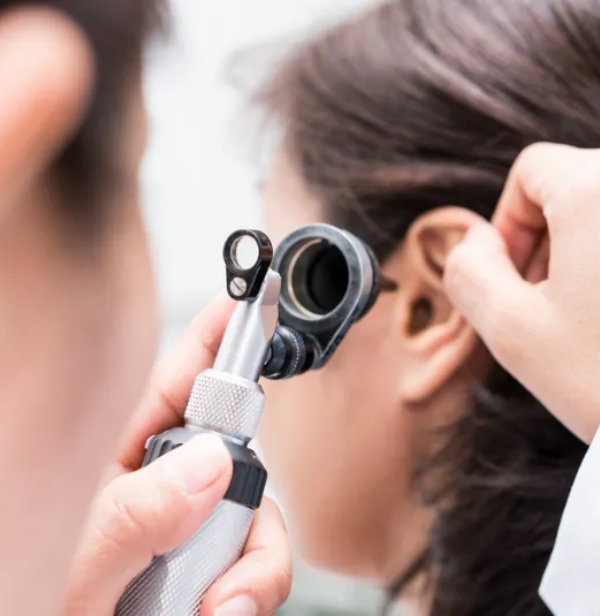
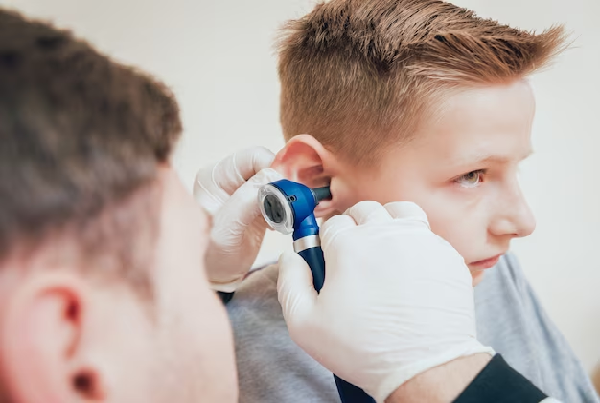
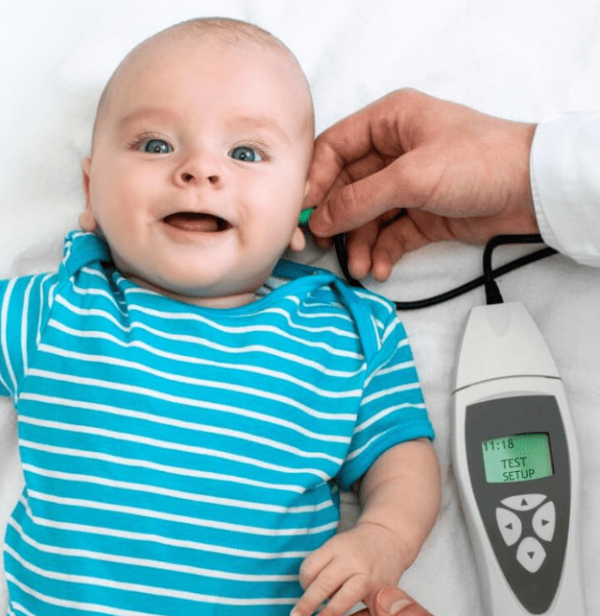
It is an objective test of middle-ear function.
-
Tympanometry is a measure of energy transmission through the middle ear.
-
It is not a hearing test or not a measure of eardrum or middle ear mobility.
-
Tympanometry permits a distinction between sensorineural and conductive hearing loss, when evaluation is not apparent via Weber and rinne.
-
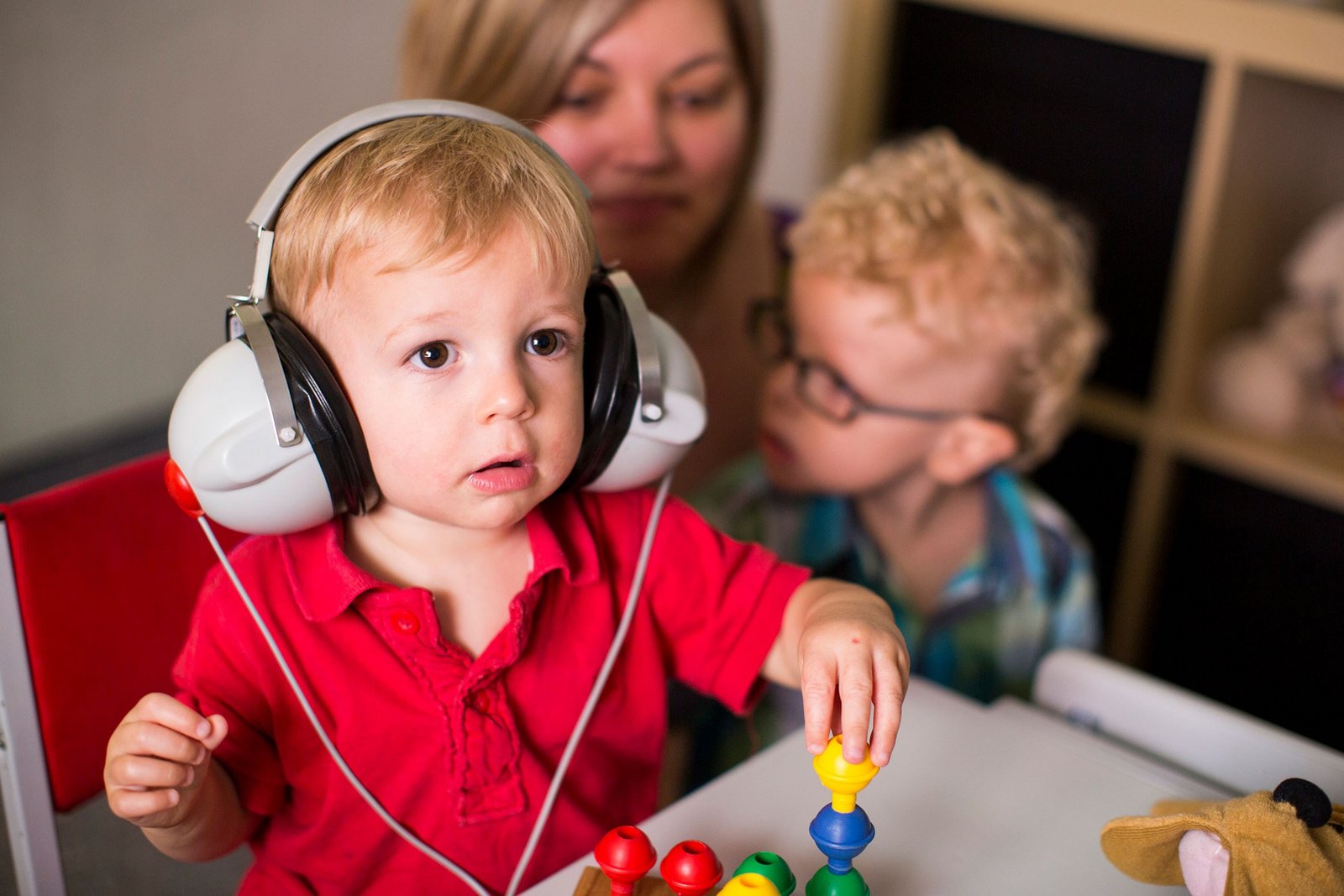
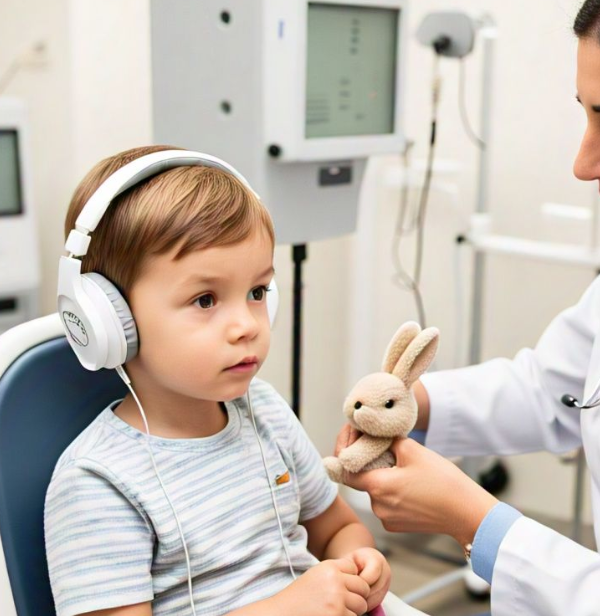
The children under six months we can use Behavioural Observation Audiometry (BOA) to test their hearing.
-
In this test, we assess Behavioural responses like startling to loud noises, stirring from sleep in response to a sound, stopping sucking when a sound is heard or trying to look at the sound.
-
This test concerns the observation of a child's reactions to sound stimulation with a visual Reinforcement of the stimuli.
-
During the test, the child is usually seated on a caregiver’s lap in a soundproof room.
-
The sounds are presented at different volumes and pitches to gauge the child’s ability to hear across a range of frequencies.
-
This test concerns the determination of the levels of a tone, which when presented alternately to the two cars give rise to the same loudness.
-
The result shows the difference in loudness as a function of tone level berween the two ears.
-
Thus, it may indicate the presence of recruitnent of loudness.
-
In this test the auditory capacity to detect small changes in the sound level of a continuous pure tone is determined.
-
In the evaluation of sensorincural hearing loss.
-
The test may be used from the age of 8 years and upwards.
-
The tone decay test is an audiology procedure that measures auditory fatigue and helps identify the adaptation of the auditory system.
-
It involves playing a continuous tone and measuring how long a patient can perceive it.
-
The test can help identify a cochlear or neural cause of deafness.
-
TRT is an individualized program that is usually administered by an audiologist or at a tinnitus treatment center.
-
TRT combines sound masking and counseling from a trained professional.
-
Typically, you wear a device in your ear that helps mask your tinnitus symptoms while you also receive directive counseling.
-
This test is mostly used to recognize any pathology in the vestibulocochlear nerve or the brainstem.
-
The test is suggested for infants who are at a high risk for hearing loss and in whom conventional audiometry cannot be performed
-
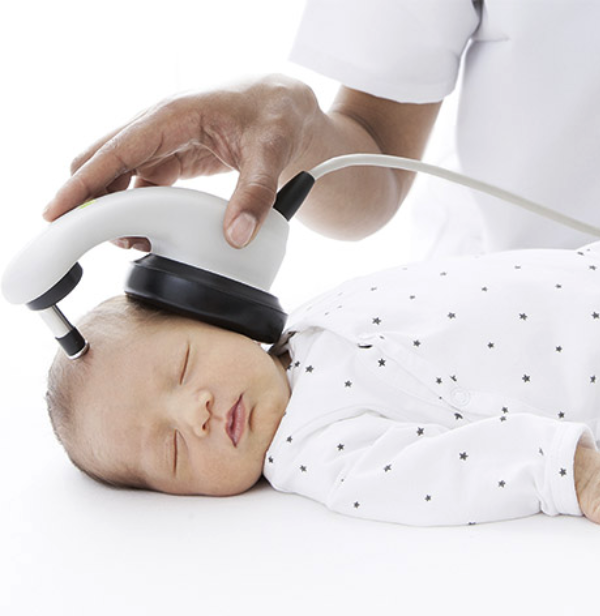
The OAEs checks part of the inner ear’s response to sound
-
The test is mostly done on infants and children who may not be able to respond to behavioral hearing tests because of their age.
-
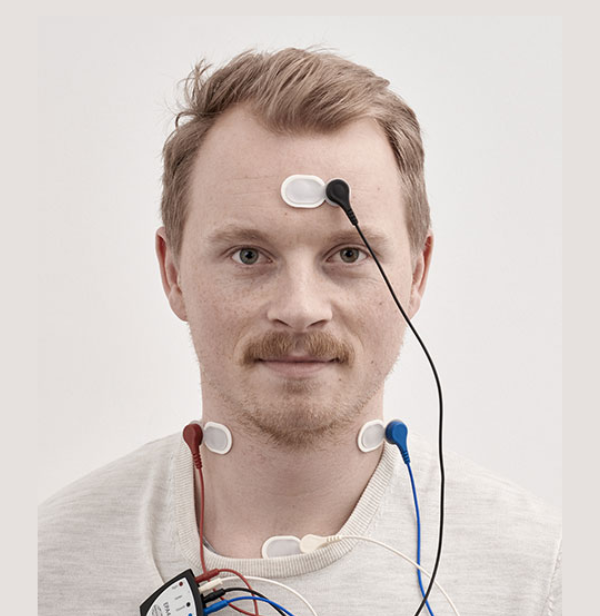
This is a diagnostic test that measures the response of the neck and facial muscles to sound and vibration stimuli.
-
The test evaluates the function of the otolithic organs in the inner ear, which helps maintain balance and spatial orientation.
-
VEMP testing is often used to diagnose various vestibular disorders.
Need Help?
 Need Help?